Exploring the Garden District: New Orleans' Historic Neighborhood of Culinary Delights and Southern Charm
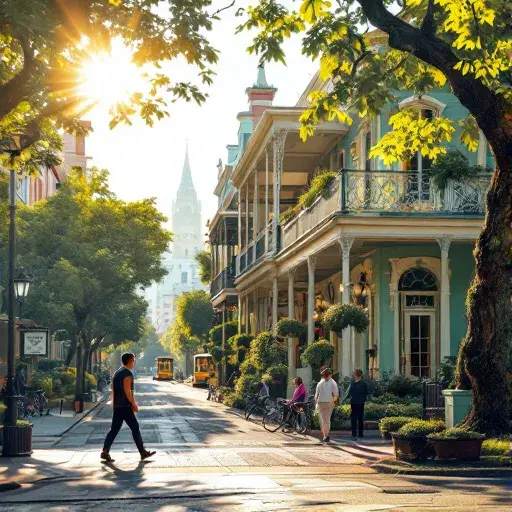
Nestled just southwest of the French Quarter, New Orleans' Garden District stands as a testament to the city's rich history and cultural diversity. With its oak-lined streets, magnificent antebellum mansions, and wrought-iron fences draped in lush greenery, this neighborhood offers visitors a glimpse into the elegant past of the Big Easy while serving up some of the city's most delectable culinary experiences. Whether you're a history buff, architecture enthusiast, or food lover, the Garden District provides a refreshing contrast to the vibrant energy of the French Quarter while maintaining that distinctive New Orleans charm that makes the Crescent City so beloved.
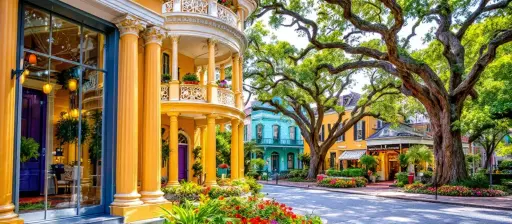
Neighborhood Character & History
The Garden District earned its name from the original layout of the neighborhood, where homes were built on only one portion of the lots, leaving room for the lush gardens that still characterize the area today. Developed in the 1830s and 1840s, this neighborhood was originally part of the city of Lafayette before being annexed by New Orleans in 1852. The district was primarily settled by wealthy Americans who wanted to distance themselves from the Creole population in the French Quarter, resulting in a distinctly American architectural style that stands in contrast to the French and Spanish influences found elsewhere in the city.
Walking through the Garden District today is like stepping into a living museum of 19th-century architectural grandeur. Greek Revival, Italianate, and Victorian mansions line the streets, many still serving as private residences. The neighborhood's historical significance was cemented when it was listed on the National Register of Historic Places, preserving its unique character for generations to come. Hurricane Katrina in 2005 largely spared this area due to its location on higher ground along the natural levee of the Mississippi River, allowing the Garden District to maintain its historical integrity while other parts of New Orleans faced devastating damage.
Food & Dining Scene
The Garden District may be known for its architecture, but its culinary scene rivals its visual splendor. At the heart of the neighborhood's food culture stands Commander's Palace, a New Orleans institution since 1893. This iconic turquoise Victorian building has launched the careers of famous chefs like Emeril Lagasse and Paul Prudhomme while serving up refined Creole cuisine. Don't miss their legendary 25-cent martini lunches or the bread pudding soufflé, a dessert that requires ordering at the beginning of your meal due to its preparation time. Commander's represents high-end dining at its finest, but the experience is worth every penny.
For a more casual yet equally authentic experience, Coquette on Magazine Street offers innovative Southern cuisine with a contemporary twist. Chef Michael Stoltzfus creates seasonal menus featuring locally-sourced ingredients in a charming 1880s building. Their fried chicken is legendary, and the cocktail program rivals any in the city. With a price point in the mid-range category, Coquette provides an accessible fine dining experience without sacrificing quality or creativity.
Those seeking a taste of New Orleans' famous po'boys should head to Parasol's Bar & Restaurant, a neighborhood institution known for its roast beef po'boys dripping with gravy and its festive St. Patrick's Day celebrations. This unpretentious spot offers budget-friendly prices and an authentic local experience away from the tourist crowds. The small, unassuming exterior belies the massive flavors found inside.
For a modern take on Louisiana cuisine, Gris-Gris offers Chef Eric Cook's soulful interpretations of classic dishes in a beautiful space with an open kitchen and rooftop dining. Their chicken and andouille gumbo and shrimp and grits exemplify the best of New Orleans cooking, with mid-range prices that make it accessible for a special meal without breaking the bank.
Rounding out the neighborhood's diverse offerings is Stein's Market & Deli, a New York-style Jewish deli that might seem out of place in New Orleans but has become a beloved local institution. Their massive sandwiches piled high with quality meats and their selection of bagels provide a delicious counterpoint to the Creole and Cajun options that dominate the city's food scene. This budget-friendly spot is perfect for lunch while exploring Magazine Street.
Coffee Shops & Bakeries
The Garden District offers several exceptional spots to satisfy your caffeine cravings and sweet tooth. The Rook Café serves as a neighborhood gathering spot with excellent coffee, homemade pastries, and a cozy atmosphere perfect for reading or catching up with friends. The chess-themed décor and board games available for customers add to its charm.
For those seeking artisanal baked goods, La Boulangerie on Magazine Street offers authentic French pastries and breads that transport you straight to Paris. Their almond croissants and king cakes (during Carnival season) are particularly noteworthy. The bakery changed ownership in recent years when it was purchased by the Link Restaurant Group, but it has maintained its quality while expanding its offerings.
Coffee enthusiasts shouldn't miss HiVolt Coffee, a sleek, modern café serving meticulously crafted coffee drinks and health-conscious breakfast and lunch options. Their cold brew is among the best in the city, and their avocado toast makes for a perfect light meal before a day of exploration.
Shopping & Local Businesses
Magazine Street, which runs through the Garden District, serves as one of New Orleans' premier shopping destinations with six miles of boutiques, antique shops, and specialty stores. Garden District Book Shop in the historic Rink building offers an excellent selection of local interest books, signed editions by regional authors, and frequent literary events. It's a must-visit for bibliophiles and those interested in learning more about New Orleans' rich history and culture.
For unique home goods and gifts with a distinctly New Orleans flair, Perch showcases an eclectic mix of vintage and contemporary items curated by interior designer Valorie Hart. The shop feels like stepping into a stylish friend's home, with everything from furniture to small decorative objects available for purchase.
Fashion-forward visitors should stop by Pilot and Powell, an upscale women's boutique featuring carefully selected pieces from international designers not found elsewhere in the city. The sophisticated yet approachable atmosphere makes shopping here a pleasure, even if you're just browsing.
Those with a sweet tooth will delight in Sucré, a modern confectionery offering artisanal chocolates, macarons, and gelato in a sleek, colorful setting. Their signature chocolate collections make perfect gifts to bring home, while their king cake is considered one of the best in the city during Carnival season.
Cultural Attractions & Green Spaces
No visit to the Garden District would be complete without a tour of Lafayette Cemetery No. 1, one of New Orleans' famous above-ground cemeteries. Founded in 1833, this atmospheric "city of the dead" features elaborate tombs and mausoleums that tell the stories of the city's past residents. While the cemetery occasionally closes for maintenance, its exterior is always viewable, and several reputable tour companies offer informative guided experiences when it's open.
Architecture enthusiasts should make time to see the Walter Grinnan Robinson House (also known as "The Wedding Cake House") on Prytania Street, one of the most photographed homes in the neighborhood with its elaborate white ornamentation. Similarly, the Colonel Short's Villa with its famous cornstalk fence represents the height of antebellum architectural extravagance.
For a quintessential New Orleans experience, hop aboard the St. Charles Streetcar, the oldest continuously operating streetcar line in the world. Running along the neighborhood's northern edge, this historic mode of transportation offers a scenic tour of St. Charles Avenue's magnificent oak trees and grand homes for just $1.25 per ride.
The Garden District isn't known for large parks, but Coliseum Square provides a lovely green space with fountains and benches perfect for a moment of relaxation. This small park exemplifies the neighborhood's charm and serves as a gathering place for local residents.
Nightlife & Entertainment
While the Garden District isn't known for wild nightlife like the French Quarter, it offers sophisticated evening entertainment options. The Columns on St. Charles Avenue occupies a stunning 1883 mansion and features a popular bar with craft cocktails served on a beautiful veranda. It's the perfect spot to sip a Sazerac while watching the streetcars pass by on St. Charles Avenue.
For live music in an intimate setting, The Howlin' Wolf sits at the edge of the Garden District and showcases local and touring bands in a variety of genres, with a particular emphasis on blues, funk, and jazz. The attached restaurant, The Den, serves up excellent bar food to fuel your night of dancing.
Those seeking a more relaxed evening might enjoy The Delachaise, a sophisticated wine bar with an extensive selection of wines by the glass and a menu of elevated bar food with international influences. Their Thai-spiced shrimp clemenceau and goose fat fries have developed a cult following among locals.
Conclusion
The Garden District offers visitors a perfect balance of historical elegance, culinary excellence, and authentic New Orleans charm without the crowds and intensity of the French Quarter. To make the most of your visit, consider taking a guided walking tour early in your trip to get oriented to the neighborhood's history and architecture. Many of the most impressive homes are private residences, so respectful sidewalk viewing is the way to go. And don't miss the chance to dine at Commander's Palace—make a reservation well in advance and embrace their "dress up to dine" philosophy for a truly special New Orleans experience. Whether you spend a few hours or a few days exploring this magnificent neighborhood, the Garden District provides a glimpse into the sophisticated side of the Big Easy that will leave you planning your return before you've even left.