Exploring the French Quarter: A Culinary and Cultural Journey Through New Orleans' Historic Heart
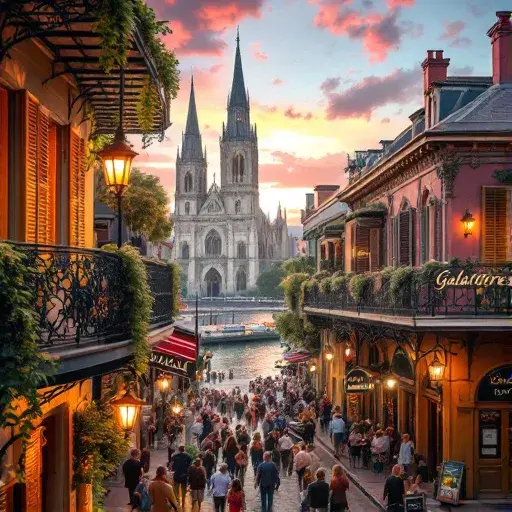
Nestled along the Mississippi River in the heart of New Orleans, the French Quarter stands as the city's oldest and most iconic neighborhood. With its distinctive wrought-iron balconies, colorful Creole cottages, and vibrant atmosphere, this historic district offers visitors a unique blend of European charm and Southern hospitality. As you wander through its narrow streets, you'll discover a sensory paradise where jazz music spills from doorways, the aroma of Creole and Cajun cuisine fills the air, and centuries of history are preserved in every building. The French Quarter isn't just a tourist destination—it's the cultural soul of New Orleans and a food lover's paradise waiting to be explored.
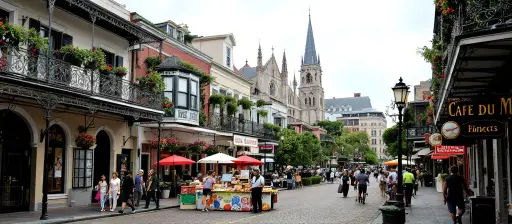
Neighborhood Character & History
The French Quarter, also known as the Vieux Carré ("Old Square"), exudes a distinctive architectural character that transports visitors to another era. Spanish and French influences are evident in the buildings' design, featuring courtyards hidden behind ornate gates, colorful facades, and the iconic wrought-iron balconies draped with lush greenery. The neighborhood follows a grid pattern with streets named after French royal houses and Catholic saints, creating an atmosphere that feels distinctly European yet uniquely New Orleanian.
Founded in 1718 by Jean-Baptiste Le Moyne de Bienville, the Quarter has survived fires, floods, and changing national flags. Despite its name, much of the current architecture dates to the Spanish colonial period after two devastating fires in 1788 and 1794 destroyed many original French structures. The neighborhood has weathered numerous challenges throughout its 300-year history, including the Battle of New Orleans, yellow fever epidemics, and more recently, Hurricane Katrina. Yet through it all, the French Quarter has maintained its status as the cultural and historical heart of the city, evolving while preserving its distinctive character.
Food & Dining Scene
The French Quarter's culinary identity is as rich and complex as its history, offering a delicious blend of Creole, Cajun, French, Spanish, and African influences. This is where traditional New Orleans dishes like gumbo, jambalaya, étouffée, and po'boys reign supreme, and where dining is considered not just a necessity but an art form. From century-old establishments to innovative newcomers, the Quarter's restaurants showcase the city's passion for food.
Galatoire's stands as a monument to classic Creole cuisine, serving locals and visitors since 1905. This high-end restaurant on Bourbon Street maintains traditions like jacket requirements for gentlemen at dinner and a no-reservations policy for the first-floor dining room. Their trout meunière, shrimp remoulade, and soufflé potatoes represent New Orleans cuisine at its finest. The Friday lunch at Galatoire's is a local institution, where business deals are made and celebrations unfold over long, wine-filled afternoons.
For a taste of Cajun country in the heart of the Quarter, K-Paul's Louisiana Kitchen revolutionized New Orleans dining when Chef Paul Prudhomme introduced his blackened redfish and other Cajun specialties to urban diners. Though Chef Paul has passed, his legacy continues with dishes like blackened drum, rabbit and andouille gumbo, and sweet potato pecan pie. The mid-range prices make this iconic restaurant accessible for a special meal without breaking the bank.
No culinary tour of the French Quarter would be complete without a stop at Brennan's, famous for inventing Bananas Foster, the flambéed dessert prepared tableside. This high-end establishment excels at breakfast and brunch, where eggs Hussarde (a twist on eggs Benedict with marchand de vin sauce) and turtle soup showcase the restaurant's commitment to refined Creole cuisine. The pink building with its elegant courtyard represents New Orleans dining at its most sophisticated.
For a more casual experience, Central Grocery on Decatur Street created the iconic muffuletta sandwich—a stack of Italian meats and cheeses topped with olive salad on a round Sicilian sesame bread. This budget-friendly market and deli has been serving these massive sandwiches since 1906, reflecting the Italian influence on New Orleans cuisine. One sandwich easily feeds two hungry visitors.
Seafood lovers shouldn't miss Acme Oyster House, where locals and tourists line up for fresh Gulf oysters served raw, chargrilled, or in a Rockefeller-style preparation. This mid-range establishment also serves excellent po'boys, gumbo, and jambalaya in a casual, lively atmosphere. The oyster shuckers work with impressive speed and often engage in friendly banter with customers at the bar.
The French Quarter also hosts the historic French Market, America's oldest public market, stretching six blocks from Café du Monde to the flea market at the end of Esplanade Avenue. Here, visitors can sample local specialties like pralines, hot sauce, and spice blends, or enjoy prepared foods from various vendors. The Crescent City Farmers Market also makes regular appearances, bringing fresh local produce and artisanal foods to the neighborhood.
Coffee Shops & Bakeries
No visit to the French Quarter is complete without a stop at the legendary Café du Monde, established in 1862 and famous for its beignets—square French-style doughnuts lavishly covered in powdered sugar—and café au lait made with chicory. Open 24 hours a day (except Christmas), this iconic café offers a quintessential New Orleans experience at budget-friendly prices. The outdoor seating area provides excellent people-watching opportunities with views of Jackson Square.
For a more contemporary coffee experience, Spitfire Coffee on St. Peter Street serves meticulously crafted espresso drinks and pour-overs in a tiny, rustic space. Their knowledgeable baristas and carefully sourced beans make this a favorite among coffee connoisseurs looking for something beyond the traditional café au lait.
Sweet tooths will delight in Croissant D'Or Patisserie, a charming French bakery housed in a historic building on Ursulines Avenue. Their flaky croissants, fruit tarts, and quiches transport visitors straight to Paris, while the courtyard seating offers a peaceful retreat from the Quarter's bustle. The bakery's almond croissants have developed a cult following among locals.
Loretta's Authentic Pralines offers a taste of traditional New Orleans sweets, specializing in pralines—a confection of sugar, butter, and pecans that reflects the city's French and Creole heritage. Beyond the classic praline, Loretta's also serves praline beignets, king cakes during Mardi Gras season, and other local specialties made from recipes passed down through generations.
Shopping & Local Businesses
The French Quarter offers a diverse shopping experience that ranges from touristy souvenir shops to sophisticated art galleries and specialty boutiques. Royal Street stands as the Quarter's premier shopping destination, lined with antique shops, art galleries, and jewelry stores housed in historic buildings.
M.S. Rau represents the pinnacle of French Quarter antiquing, with a 40,000-square-foot gallery showcasing museum-quality antiques, rare art, and extraordinary jewels. Even if the high-end items are beyond your budget, browsing this exceptional collection offers a glimpse into the world of fine art and antiques that has long been associated with New Orleans' sophisticated taste.
For literary enthusiasts, Faulkner House Books occupies the former home of William Faulkner, who wrote his first novel while living in the building. This charming bookstore specializes in fine literature, first editions, and works by Southern authors, creating a haven for bibliophiles in the heart of the Quarter.
Fleurty Girl celebrates all things New Orleans with locally designed clothing, accessories, and home goods that showcase the city's unique culture and spirit. From fleur-de-lis patterns to Saints and Pelicans merchandise, this shop offers authentic New Orleans souvenirs that go beyond the typical tourist fare.
Perfume enthusiasts shouldn't miss Bourbon French Parfums, one of America's oldest perfumeries, creating distinctive scents since 1843. Visitors can sample historic fragrances or have a custom perfume blended to their preferences, continuing a tradition that has attracted customers including European royalty and Hollywood celebrities.
Cultural Attractions & Green Spaces
The cultural heart of the French Quarter is undoubtedly Jackson Square, a historic park flanked by the iconic St. Louis Cathedral, the oldest continuously active cathedral in the United States. Street artists, musicians, and fortune tellers surround the square, creating a lively atmosphere that epitomizes New Orleans' creative spirit. The square's central statue of Andrew Jackson on horseback has become one of the city's most recognizable landmarks.
For history buffs, the Cabildo and Presbytère museums flank St. Louis Cathedral, offering fascinating exhibits on Louisiana history, including the Louisiana Purchase and Hurricane Katrina's impact. These Spanish colonial buildings are architectural treasures in their own right and house important artifacts from the city's complex past.
Music lovers should make a pilgrimage to Preservation Hall, a humble venue dedicated to preserving traditional New Orleans jazz. The nightly performances feature veteran musicians playing acoustic sets in an intimate, no-frills setting that focuses entirely on the music. The Hall's commitment to authentic jazz makes it a cultural institution rather than a tourist attraction.
For a peaceful retreat, the French Quarter's Mississippi Riverfront offers green space and stunning views of the river traffic. Woldenberg Park provides a pleasant walking path along the river, public art installations, and benches where visitors can rest while watching massive cargo ships navigate the Mississippi's powerful currents.
The Quarter also hosts numerous festivals throughout the year, including the French Quarter Festival in April, which features local music and food across dozens of stages and food booths. During Mardi Gras, the neighborhood becomes the epicenter of celebrations, with parades, costumed revelers, and traditions dating back generations.
Nightlife & Entertainment
Bourbon Street may be the most famous nightlife destination in the French Quarter, but the neighborhood offers diverse evening entertainment beyond the neon-lit tourist bars. For an authentic musical experience, Frenchmen Street (technically just outside the Quarter in the Marigny) features multiple venues where local musicians perform nightly, creating what many consider the true heart of New Orleans' contemporary music scene.
The Jazz Playhouse in the Royal Sonesta Hotel offers sophisticated jazz in an upscale setting, with craft cocktails and comfortable seating that allows for conversation between sets. This venue attracts top local talent and provides an elegant alternative to the more boisterous Bourbon Street establishments.
For craft cocktail enthusiasts, Bar Tonique on North Rampart Street serves meticulously prepared classic and innovative drinks in a laid-back atmosphere. The bar's commitment to quality ingredients and proper technique has made it a favorite among locals and visitors seeking alternatives to the sugary hurricane cocktails found elsewhere in the Quarter.
The French Quarter's nightlife isn't limited to music and drinking—evening ghost tours reveal the neighborhood's darker history, recounting tales of notorious crimes, hauntings, and voodoo practices that have become part of local lore. These walking tours offer a different perspective on the Quarter's historic buildings and colorful past.
Conclusion
The French Quarter offers visitors a sensory feast that goes far beyond its party reputation. From world-class restaurants serving centuries-old recipes to quiet courtyards hidden behind historic facades, this neighborhood rewards those willing to explore beyond the obvious attractions. For the best experience, visit early mornings to see the Quarter's streets being washed down and to enjoy beignets without the crowds, or explore the residential areas north of Bourbon Street where locals still make their homes in historic properties. Whether you're a culinary explorer, history enthusiast, music lover, or simply seeking the authentic spirit of New Orleans, the French Quarter provides an unforgettable journey through America's most distinctive neighborhood—one where the past and present dance together to the eternal rhythms of this remarkable city.